

Vertigo is a condition that produces a spinning experience or sensation of discrepancy, usually making simple daily activities difficult. It can arise abruptly and might last from a couple of seconds to many hours with regards to the underlying condition. Health specialists remember that vertigo affects thousands of people global annually and is often connected to dilemmas within the internal hearing or the worried system. Medical studies indicate that knowledge vertigo medicine is essential for early examination and appropriate treatment since different triggers may need different medical approaches.
What are the most common medical reasons behind vertigo?
Medical reports show that inner hearing disorders are responsible for most of vertigo cases. The internal ear controls harmony and spatial alignment, and any disruption in this area may cause dizziness or rotating sensations.
Several widely reported causes include benign positional harmony disorders, inner hearing infections, vestibular nerve irritation, and migraine-related balance problems. Research information from neurological hospitals suggests that positional harmony disorders alone account for almost 40% of identified vertigo cases. These conditions occur when little calcium contaminants in the internal hearing transfer to the wrong portion of the total amount canal.
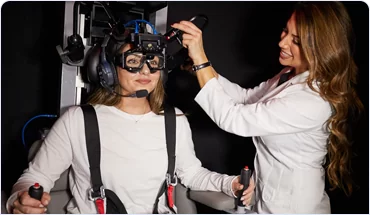
How often does vertigo affect adults globally?
According to global health statistics, about 15–20% of people experience vertigo indicators at least one time in their lifetime. Studies conducted by neurological research institutions reveal that the problem becomes more frequent with age.
Among people around age of 60, almost 30% record continuing harmony issues or rotating sensations. Girls are slightly more likely to knowledge vertigo than men because of hormonal impacts and larger prices of migraine-related balance disorders.
Medical experts also highlight that vertigo reports for an important quantity of crisis clinic trips annually since quick dizziness may mimic signs of more severe neurological conditions.
Can neurological conditions lead to vertigo?
While inner ear issues are probably the most frequent induce, neurological situations can also perform an important role. Once the mind areas responsible for balance and spatial consciousness are affected, vertigo may develop.
Conditions that may lead to vertigo include:
Migraine-related balance disturbances
Paid down blood flow to mental performance
Specific neurological disorders affecting control
Mind incidents that impact stability stores
Wellness authorities report that neurological causes make up around 10–15% of vertigo cases. Early evaluation is important since some neurological conditions need quick medical attention.
What lifestyle factors may increase the risk of vertigo?
Life style behaviors can also impact the likelihood of encountering vertigo symptoms. Studies claim that a few facets might increase the possibilities of stability disturbances.
These include high pressure levels, absence of sleep, dehydration, and quick mind movements. People who spend extended hours looking at screens or working in positions that strain the throat may also experience dizziness because of muscle anxiety and circulation changes.
Statistics from occupational wellness study suggest that office workers and people with sedentary workouts report dizziness signs more frequently in comparison to those that keep normal bodily activity.
Are vertigo symptoms always related to the inner ear?
Not always. While the internal head is the most typical supply, vertigo also can result from circulatory issues, medication negative effects, or metabolic changes. Some medications that affect body stress or the worried process can result in temporary dizziness.
Moreover, situations such as anemia, minimal blood pressure, or unexpected declines in blood sugar can make indicators just like vertigo. Since of these overlapping signs, medical evaluation is essential for distinguishing the actual cause.
What do health statistics reveal about vertigo diagnosis and recovery?
Recent wellness reports show that early diagnosis somewhat improves treatment outcomes. Approximately 80–90% of vertigo cases may be successfully managed through targeted remedies such as for example rethinking maneuvers, medication , harmony treatment, or lifestyle adjustments.
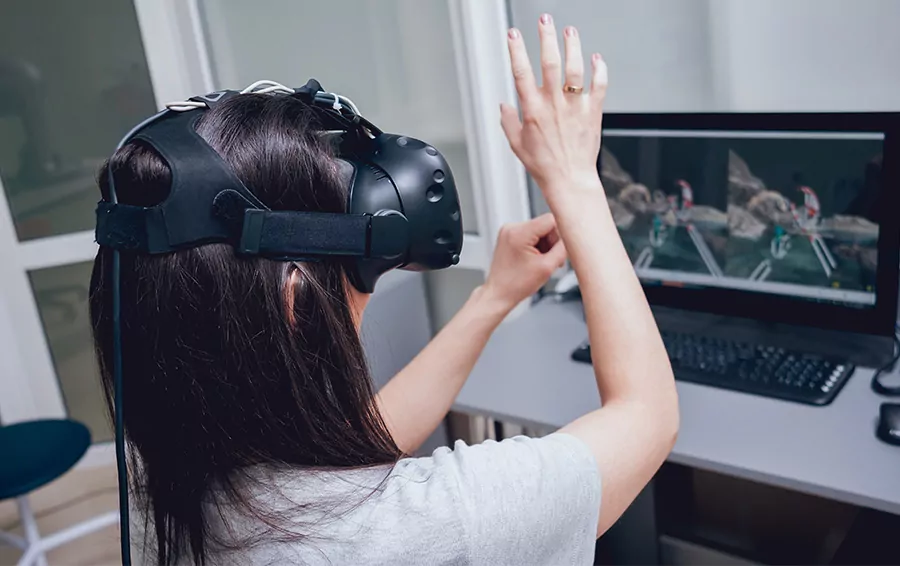
Scientific rehabilitation applications dedicated to harmony instruction have shown healing improvements of as much as 70% in people encountering chronic vertigo symptoms.
Medical practioners highlight that recognition, early medical consultation, and correct diagnosis are crucial to lowering long-term problems connected with harmony disorders.
Why understanding vertigo causes is important
Vertigo is not just a illness it self but a symptom that can occur from many underlying conditions. Knowledge the sparks, chance factors, and health statistics surrounding vertigo assists people and healthcare specialists identify the very best treatment approach.
With continued medical research and increased diagnostic methods, healthcare specialists are now actually greater equipped to identify vertigo-related problems earlier. As attention develops, more patients are able to control symptoms efficiently and maintain a better quality of living through appropriate medical care and life style adjustments.